Types of Hair Extensions: A Guide for Rancho Santa Margarita Clients
Published by Sherlux Hair Salon —
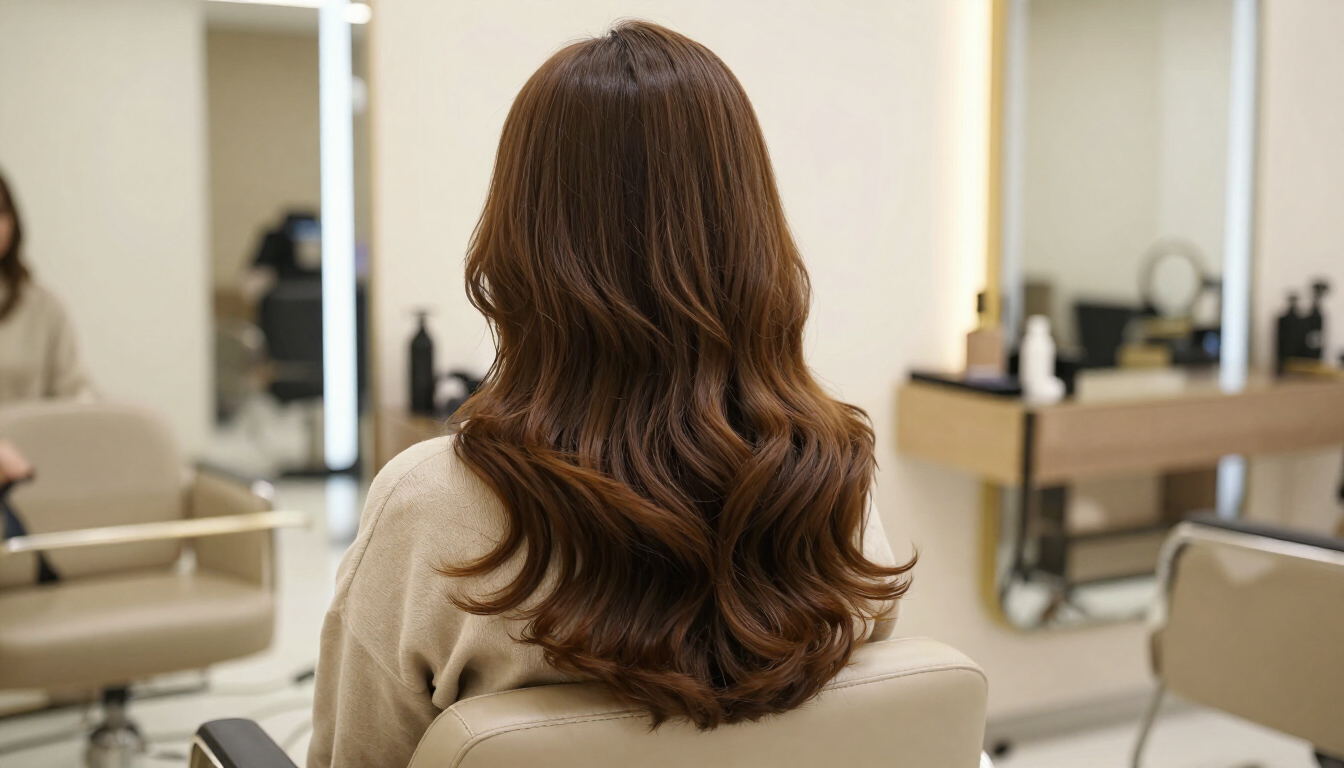
The main types of hair extensions are tape-ins, sewn-in wefts (including hand-tied), keratin bonds, bead or micro-link strands, and temporary clip-ins or halos. All of them add length or fullness, but they attach in different ways, feel different on your head and ask for different upkeep. If you are coming to our Lake Forest salon from Rancho Santa Margarita and wondering which one fits your hair, this guide explains how each method works, who it tends to suit and what living with it is really like.
The main types of hair extensions, explained
Extensions fall into two groups: semi-permanent methods that a stylist installs and maintains, and temporary pieces you put in yourself.
Tape-in extensions
Tape-ins are thin wefts with a strip of adhesive along the top. A slice of your own hair is sandwiched between two wefts, close to the root. Because they are flat and light, they sit smoothly against the head and spread their weight over a wider section of hair, which makes them a frequent choice for fine or medium-density hair. The trade-off: oils and conditioner at the root can loosen the adhesive, and very high ponytails need a little planning so the tabs stay hidden.
Sewn-in and hand-tied weft extensions
A stylist creates a row, usually a line of small beads threaded onto your natural hair, and then stitches long wefts of hair onto it. Hand-tied wefts are very thin, so several can be stacked on one row without bulk. Machine-tied wefts are thicker and sturdier. A few well-placed rows can add a great deal of length and volume with no adhesive and no heat. Wefts generally suit medium to thick hair, since there needs to be enough natural hair to cover each row and carry the weight comfortably.
Keratin bond (fusion) extensions
Also called fusion or K-tips, these are small individual strands with a keratin tip that is softened with a heated tool and rolled around a few strands of your own hair. Each bond is tiny and separate, so the result moves freely and can be placed precisely around the sides and face. Installation takes longer than other methods, and the bonds are worn for a few months and then removed rather than moved up.
Bead or micro-link extensions
Sometimes called I-tips, these are also applied strand by strand, but each one is held by a small metal bead that is clamped shut. No glue or heat is used, and the beads can be opened and slid back up toward the root at maintenance visits. They work best when there is enough natural density to hide the beads.
Clip-ins and halos
Clip-ins are wefts with small pressure clips. A halo is a single weft on a thin, clear wire that rests around the crown. Both go in and come out in minutes, which makes them ideal for a wedding, a holiday party or photos. They are not designed to be slept in.
Which type of hair extensions is best for thin or fine hair?
Fine hair can wear extensions beautifully, but weight matters more than it does for thick hair. Each attachment has to be light enough for the hair that carries it, and flat enough to stay hidden. Tape-ins and very thin hand-tied wefts are common choices for this reason, and carefully sized individual strands can work well around a fine hairline.
A good plan often uses less hair than you expect and places it carefully. If you are noticing sudden shedding, patchy thinning or scalp irritation, see a dermatologist before adding extensions, so the cause is understood first.
How Rancho Santa Margarita clients can choose the right method
Many of our extension clients come to us from Rancho Santa Margarita, and most arrive with the same question: which one should I get? These are the things we look at together.
- ●Your goal. Length, fullness, or filling in the sides each point to different placement, and sometimes to a different method.
- ●Your natural hair. Density, texture and condition decide what your hair can support.
- ●How you wear your hair. Daily ponytails, top knots and workouts affect where attachments can sit.
- ●Upkeep. Semi-permanent extensions need regular maintenance visits, so choose a schedule you can actually keep.
- ●Color. Extensions are matched and blended to your shade, so it helps to finish any hair color changes first.
At Sherlux, every extension service starts with a consultation, and we do not recommend a method until we have seen your hair in person. Our post on how to prepare for a hair extension consultation covers what to bring.
Not sure which type suits you? Request a custom quote, tell us your goal, and we will follow up with next steps.
How long do hair extensions last?
There are two answers: how long the installation lasts, and how long the hair itself lasts.
As your own hair grows, the attachments move away from the scalp, so semi-permanent extensions need to be moved back up. As a general guide, tape-ins and wefts are commonly moved up about every six to eight weeks, bead extensions on a similar schedule, and keratin bonds are usually worn for around three to four months before they are removed and replaced. Your stylist will set the schedule for your hair.
The hair itself can often be reused through several move-up appointments when it is good quality and well cared for.
What affects the cost of hair extensions?
Extension pricing is individual, which is why we quote it after a consultation rather than listing one number. The main factors are:
- ●The method, and how long installation takes.
- ●How much hair is needed for your goal.
- ●The length and quality of the hair.
- ●Custom coloring or blending to match your shade.
- ●The blend cut that makes extensions disappear into your own hair.
- ●Ongoing maintenance appointments.
Caring for extensions between visits
- ●Brush gently from the ends upward with an extension-safe brush, holding the hair near the root.
- ●Keep conditioner and oils on the mid-lengths and ends, away from tapes and bonds.
- ●Dry the attachment area fully after washing, and sleep with your hair in a loose braid.
- ●Keep your move-up appointments. Overdue extensions are the most common cause of tangling and stress at the root.
Hair extensions FAQ
Which type of hair extensions is the least damaging?
No method is harmless or harmful by itself. Extensions that are the right weight for your hair, installed correctly, maintained on schedule and removed professionally are gentle on natural hair. Problems usually come from too much weight, skipped appointments or removing them at home.
Can hair extensions be colored?
Human hair extensions can usually be toned or made darker by a professional, and they are often custom-colored before installation to match your shade. Lightening them is generally not recommended. Synthetic hair cannot be colored.
How long does my hair need to be for extensions?
Your hair needs enough length to cover the attachment points. Around chin length is a common starting point for semi-permanent methods, but it depends on your density and the method. An in-person look is the only way to know for sure.
Book a hair extension consultation near Rancho Santa Margarita
Sherlux Hair Salon is at 21991 El Toro Rd, Suite 5, Lake Forest, CA 92630, a short drive from Rancho Santa Margarita. We are open Monday through Saturday, 9 AM to 6 PM, and closed Sunday. To talk through the types of hair extensions that could work for you, visit our hair extensions service page, call (949) 317-8304, get a custom quote or book an appointment online. We will look at your hair, listen to your goal and build a plan you can comfortably maintain.
Ready to talk it through?
Book online or request a custom quote and we'll help you plan the right service.
Related services
More from the Sherlux blog
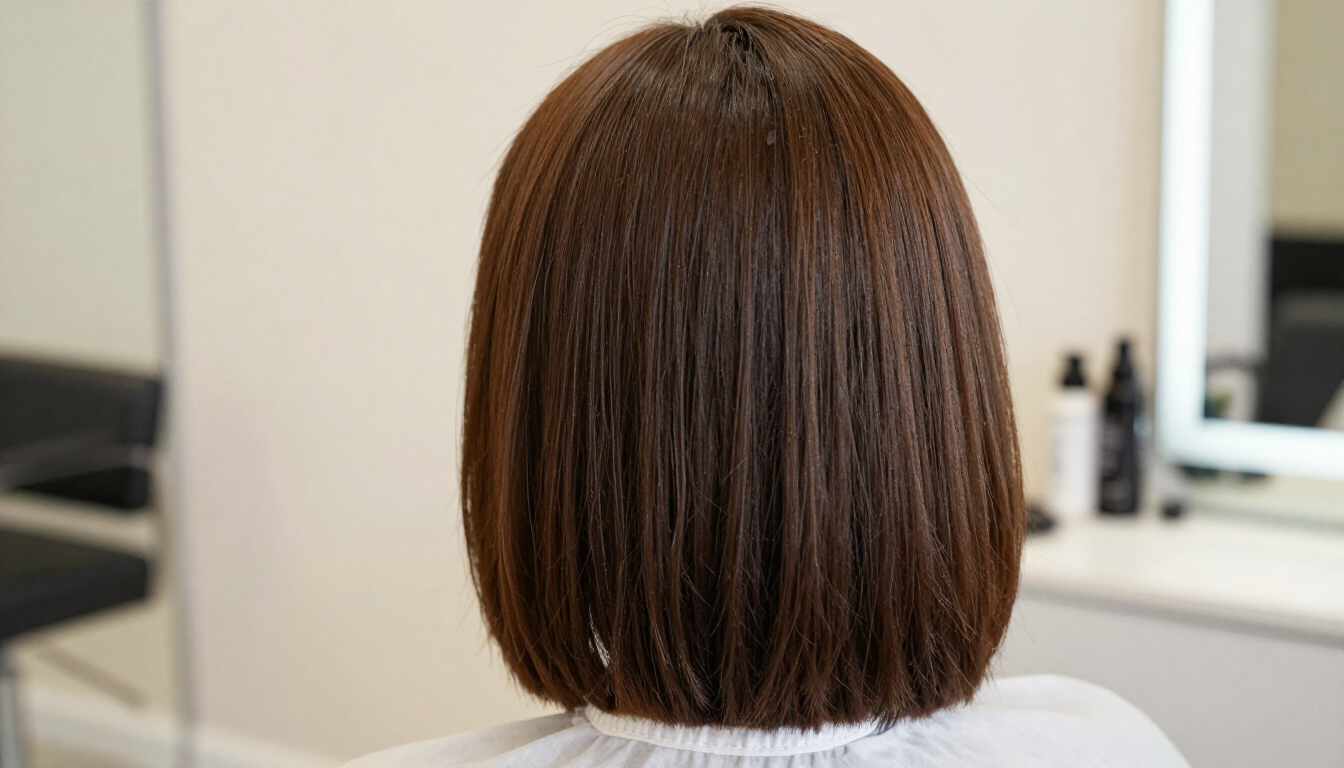
The Best Haircuts for Thin Hair: A Guide for Laguna Niguel Clients
Blunt bobs, lobs and long cuts with a solid edge make thin hair look fuller. See which cuts help and what to ask for if you are coming from Laguna Niguel.
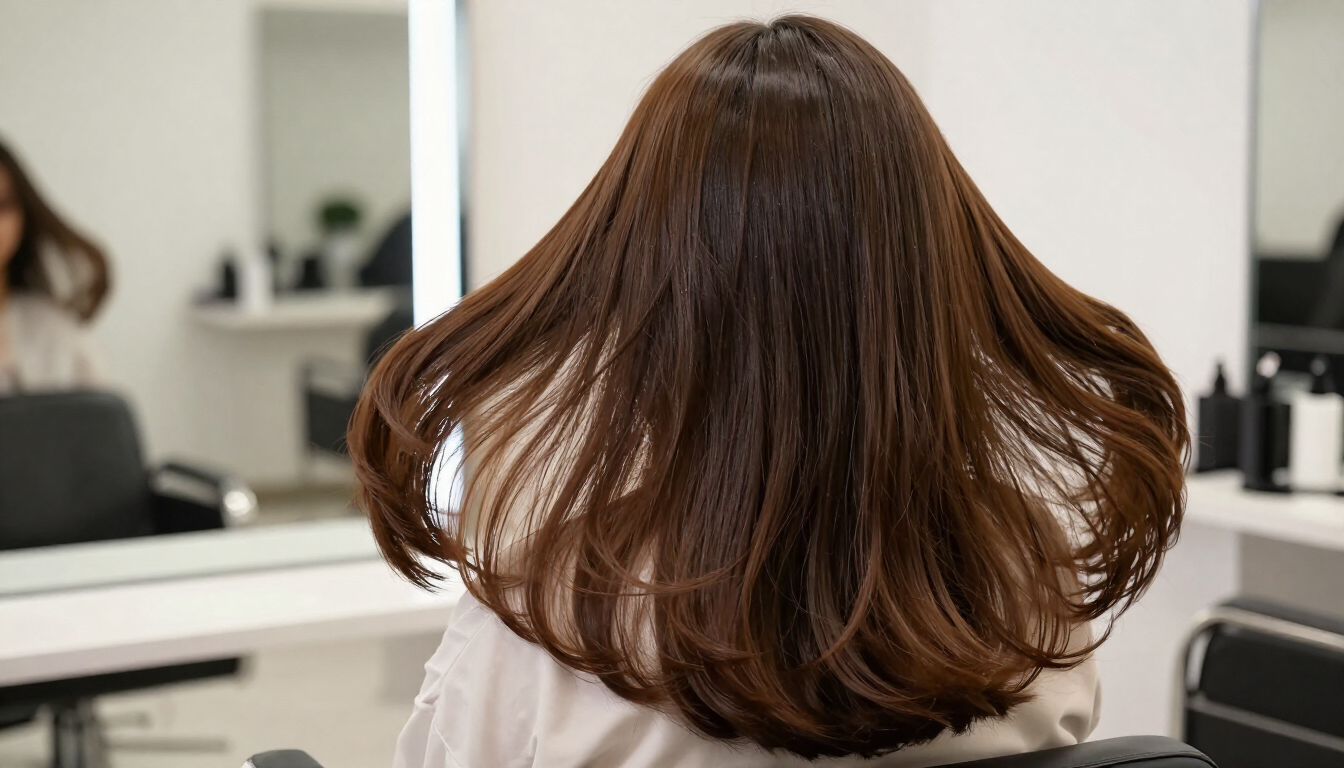
How Long Does a Blowout Last? A Guide for Laguna Hills Clients
Most salon blowouts last three to five days. See what shortens or extends yours, plus holiday timing tips for clients coming from Laguna Hills.